
Once the system is set up, a day of operation is not "someone casually pushing the main arm." A manager issues a task, an operator receives it, it is executed on site, the process leaves a record, and only when training data is needed does it enter persistence and quality inspection, finally being submitted for acceptance. This closed loop is the operating model defined by the solution, and it is also the usage that TOBI hands over to the customer's administrator when delivering a teleoperation system.
How the workflow runs
Administrators create tasks in device management, binding the robot and the operator. The operator receives them in the teleoperation client and enters one of two task modes: remote operation, or data collection. The two modes must not be merged into a single button. The deliverable of operation mode is the task result and labor hours; only data collection mode continues downstream to disk persistence, quality inspection, and annotation.
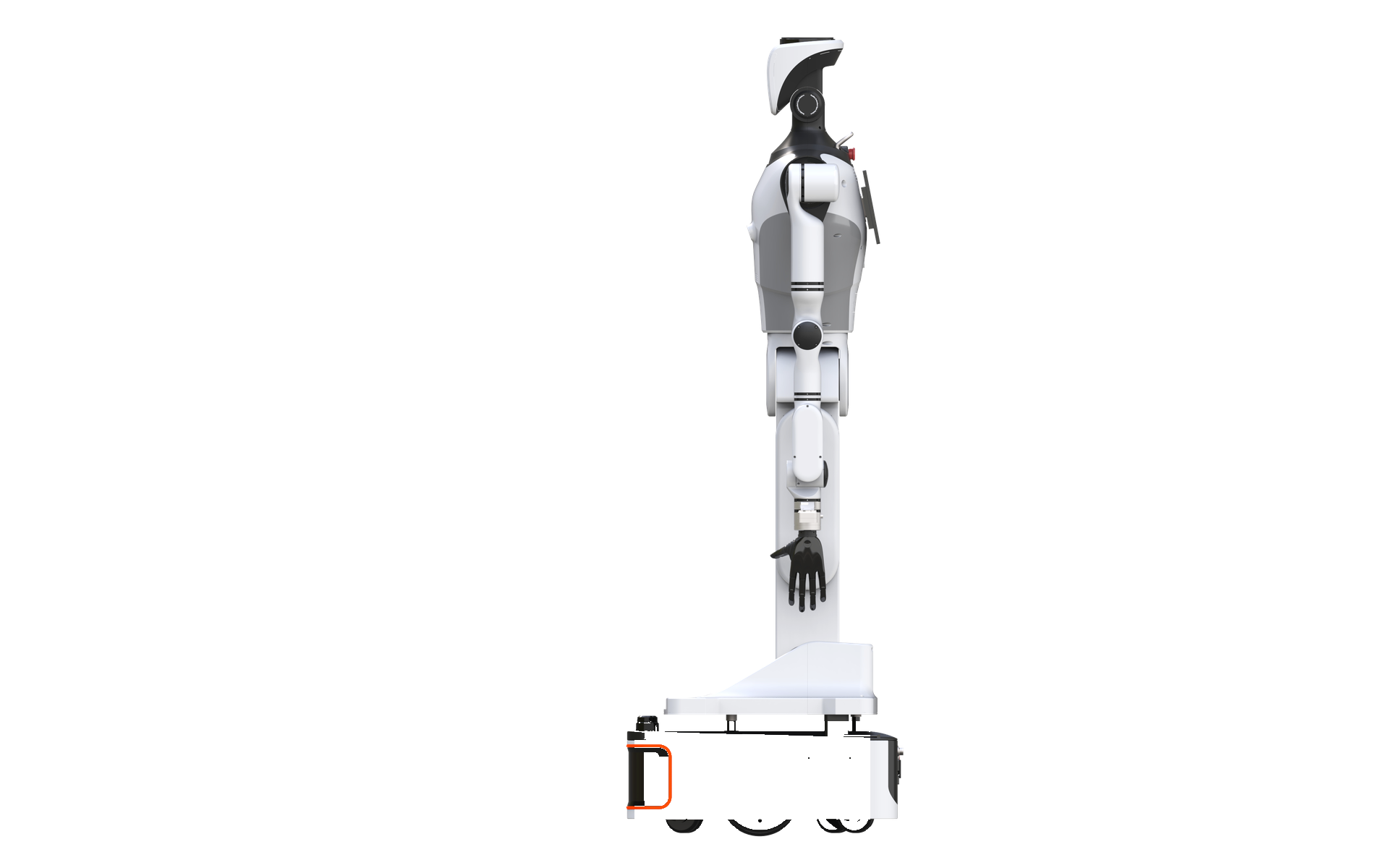
During execution, the master arm's motions are mapped to the paired robot's dual arms. Multi-channel video and the localization map are used for viewing and navigation. Parameters such as force-feedback intensity and chassis speed are configurable in the client according to the solution. Force feedback itself exists only on the GLN-RX75 and GLN-RX71. The local isomorphic kit does not include this feature, and the adjustment panel should not pretend it does. Whether chassis speed is adjustable depends on whether the base unit specifies chassis speed: the folding and wheeled humanoid models are 0.1–1.5 m/s, and the lift model is differential drive at 1.5 m/s.
Process records and 71 dimensions
The solution specifies that video, robot state, and operation commands are recorded in real time throughout the process and can be replayed. The width of the state signal is specified in the solution as 71 dimensions. This is the width of the platform's recorded item, not the degrees of freedom of the base unit. Do not add it to the folding model's 20 DoF, the wheeled humanoid's 21 DoF, or the lift model's only published single-arm 7 DoF, and do not write it as "the robot has 71 joints."
Only data-acquisition mode requires multimodal data to be aligned and written to disk. The raw items listed in the solution include dual-arm joints, vision, torque, and timestamps. For vision, copy the specific number of channels and models from the base unit page; do not copy the architectural phrase "dual-arm view + forward + 360° overhead." The solution specifies MCAP, HDF5, and LeRobot for quality inspection and format conversion. These are format names in the delivery workflow, not a promise that every sample has been trained.
The annotation stage in the solution consists of three steps: AI pre-annotation as the base layer, human supplementation, and review as the final safeguard. This describes how the platform organizes annotation; it does not mean that annotation is already complete when you purchase the robotic platform. Before samples enter the training set, the time-alignment method is still to be confirmed per project. Pressing start simultaneously is not a shared clock.
Acceptance and Exceptions
After task completion, acceptance is submitted. The platform retains labor hours and results for assessment and review. The solution also specifies multi-level permissions, device status monitoring, process replay, and safeguards against network fluctuations, abnormal interruptions, and operational risks. The solution does not specify recovery time in seconds after an interruption; do not add "automatic recovery within X milliseconds" in the attachment.
The data dashboard in the solution aggregates work videos, deployment maps, and operational metrics such as labor hours, counts, cross-timezone coverage, and geographic coverage. This article does not publish any cumulative hours or unit counts. The numbers on the dashboard are based on the customer's own operational records; dataset sizes from external papers are not cited as TOBI's labor hours.
Continue Reading
- Break Teleoperation into Three Parts: Robot Body, Kit, and Software Platform
- Order the three robot bodies separately: folding, lift, and wheeled humanoid
- Kits Sold by Column: Force Feedback in the First Two Columns, None in the Local Column
- Seven Steps to Deploy a Workstation: Display, Power, Network, and Integration Testing
- Full Teleoperation Delivery Now, Autonomy Written into Later Phases
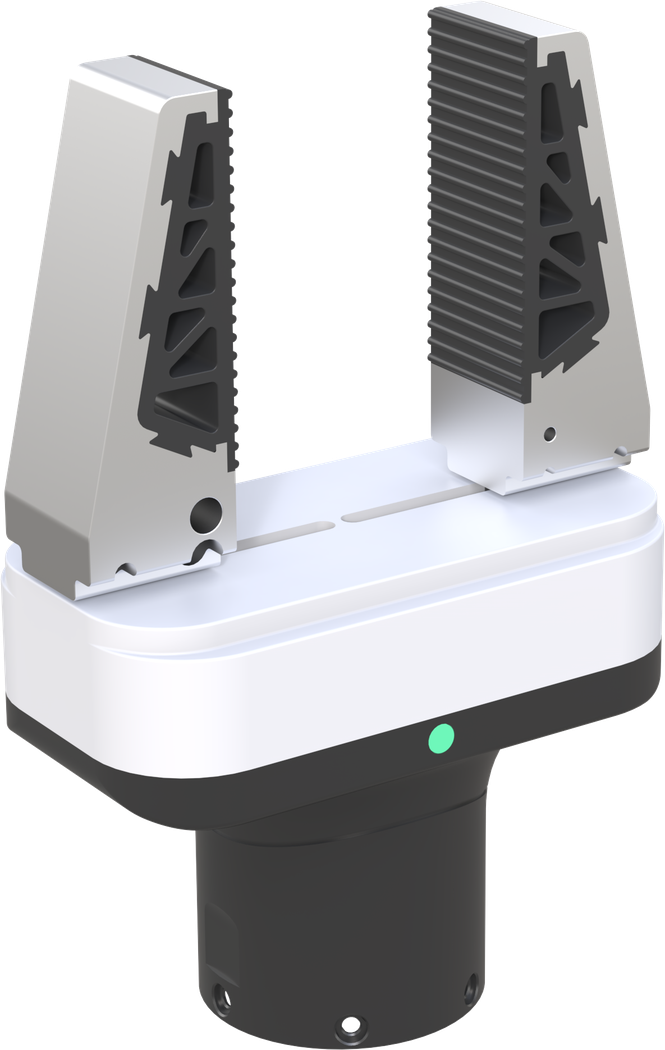
Device page:Folded Arms, Lifting Dual-Arm RMC-AIDAL, Wheeled Humanoid, Isomorphic teleoperation kit, Two-finger gripper RMG22-65. The main entry point isProducts.
This article was written on October 4, 2026, based on that month's teleoperation system build plan, and published after being rewritten according to the parameter tables on the in-site product pages. Figures that conflict with the product pages do not enter external messaging. The software platform is described according to the delivery scope of the plan, not written as a TOBI manufacturing claim, nor rewritten as another company's brand. Phase 2 and Phase 3 are evolutionary directions and do not constitute a commitment to already-delivered autonomous operation. Phone: +86 137 5502 0164.