As of September 19, 2026, discussions of embodied data in food service have shifted from "can it be demonstrated" to "can it be reproduced by scenario." Publicly available routes include real-robot teleoperation, human egocentric video, prop-free handheld interfaces, and simulation. No single route covers all food service operations on its own.
Where this scenario will still be bottlenecked next year
Steam, oil sheen, transparent cups, deformation of hot food, peak-hour tempo. These cannot be eliminated by algorithm slogans. On the acquisition side, prepare calibration, authorization, and failure codes in advance. Split by service step and record container state; do not treat an entire peak-hour recording as a single sample.
TOBI's scene stance
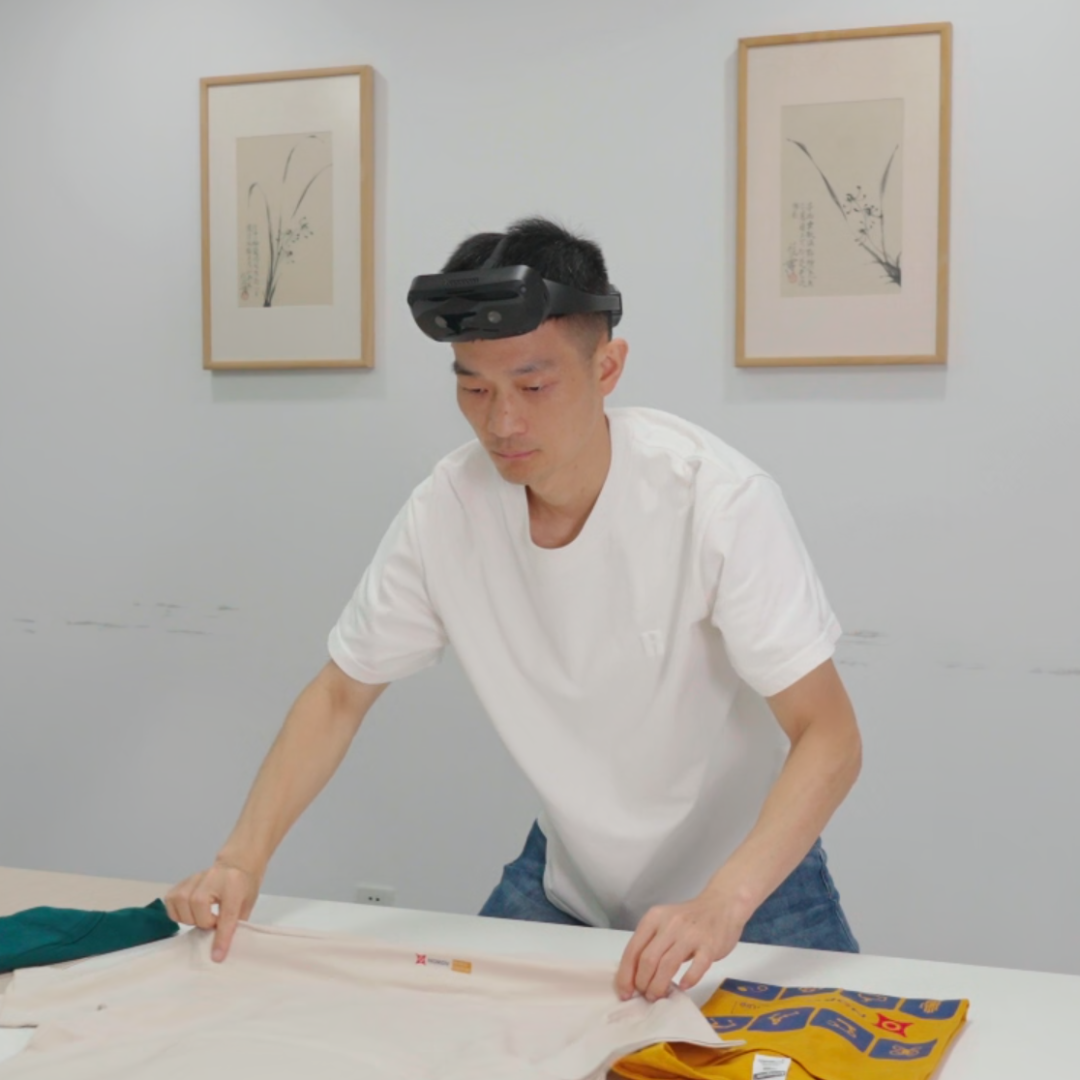
We place food service into a filterable scenario library and use E2, E6, E8, and wrist-mounted modules to describe different working distances, so that buyers can purchase data by task and match specifications by device. A forward-looking view does not mean predicting that robots will replace a given role in a particular year. Whether a role is automated depends on safety, cost, and regulation — beyond the scope of data acquisition itself.
Recommended next steps
First use a small sample to verify the fields for preparation in fast food and quick-serve meals, then decide whether to scale up the hours. Samples, formal orders, and custom acquisition are three different paths; the solutions page and written confirmations are authoritative.
Compliance notice: This document provides scenario methodology and a comparison with public literature. It does not constitute a commitment regarding capture success rates, model performance, or delivery schedules. Equipment configurations, tradeable hours, pricing, and licensing scope are subject to the written order. The papers cited herein are third-party public works and do not constitute a claim of TOBI Technology achievements. Illustrations are sourced from TOBI Technology's public equipment materials.
