When benchmarking against food and beverage service, the public literature provides problem definitions, not experimental results from TOBI Technology. The following only paraphrases the public scope of retrievable work for scenario awareness, and does not indicate that these data were collected by TOBI or that their conclusions have been reproduced.
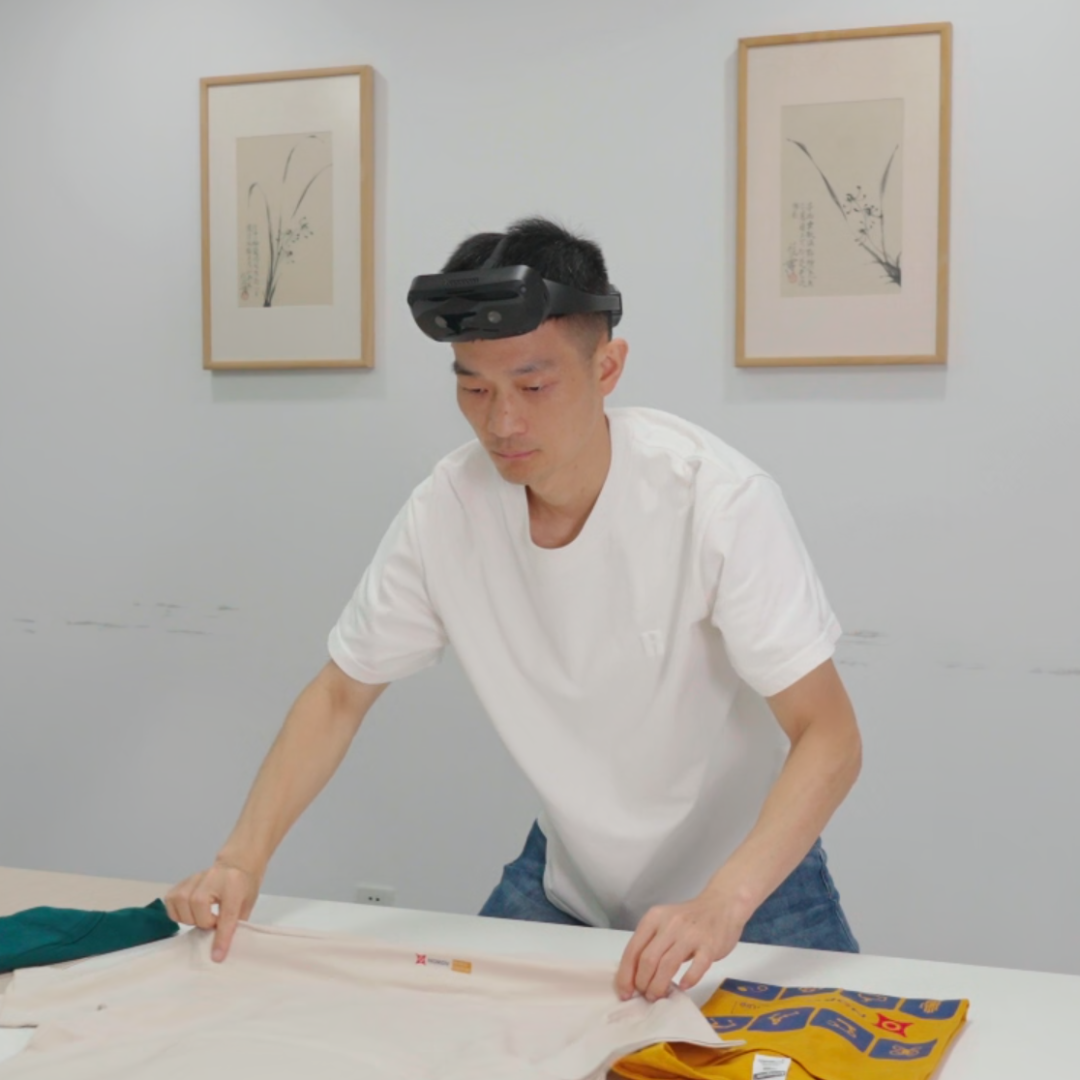
First-person video and robot actions are not the same thing
Ego4D (Grauman et al., CVPR 2022) and the kitchen-oriented EPIC-KITCHENS show that: large-scale egocentric video can cover everyday scenarios, but most clips do not contain executable robot actions. For food service, head-mounted video is suitable for observing "how a person does it" and cannot be used directly as action labels for a policy.
Real-device data emphasizes the number of scenes, not just the number of entries
DROID (Khazatsky et al., arXiv:2403.12945) places data acquisition in numerous real buildings and scenes; Open X-Embodiment / RT-X (ICRA 2024) puts data from multiple institutions and embodiments into a unified format to discuss transfer. The implication for food service is: changing a production line or a shelf often constitutes a new scenario, and a single laboratory table cannot represent the entire industry.
Around 2025, hand and proprioception-free interfaces were written into papers
EgoDex (arXiv:2505.11709, 2025) discusses learning dexterous manipulation from large-scale egocentric video; OpenEgo (arXiv:2509.05513, 2025) attempts to organize multi-source egocentric data into a format with hand trajectories and action primitives. UMI (Chi et al., RSS 2024) demonstrates that prop-free handheld interfaces can capture manipulation, but a domain gap exists between wrist-mounted views and robot cameras. OpenVLA (arXiv:2406.09246) represents one route toward making vision-language-action models openly weighted. Together, these works move the data problem in food service from "is there video?" to "are the hands, objects, and time aligned?"
What this means for TOBI's scenario work
We have written food preparation, box packing, and serving handoff in fast food and light meals into filterable tasks so that the collection checklist aligns with the skill and scenario taxonomy in the paper. This does not mean that in-stock items already cover all tasks in the aforementioned paper, nor does it mean that TOBI data alone can achieve the success rates reported in the paper.
Compliance notice: This document provides scenario methodology and a comparison with public literature. It does not constitute a commitment regarding capture success rates, model performance, or delivery schedules. Equipment configurations, tradeable hours, pricing, and licensing scope are subject to the written order. The papers cited herein are third-party public works and do not constitute a claim of TOBI Technology achievements. Illustrations are sourced from TOBI Technology's public equipment materials.
