Creative-craft capture failures usually are not "the device was not turned on" but rather insufficient scenario awareness: the person was filmed, but the object state needed for decision-making was not. Writing out failure modes in advance saves more than adding annotations after the fact.
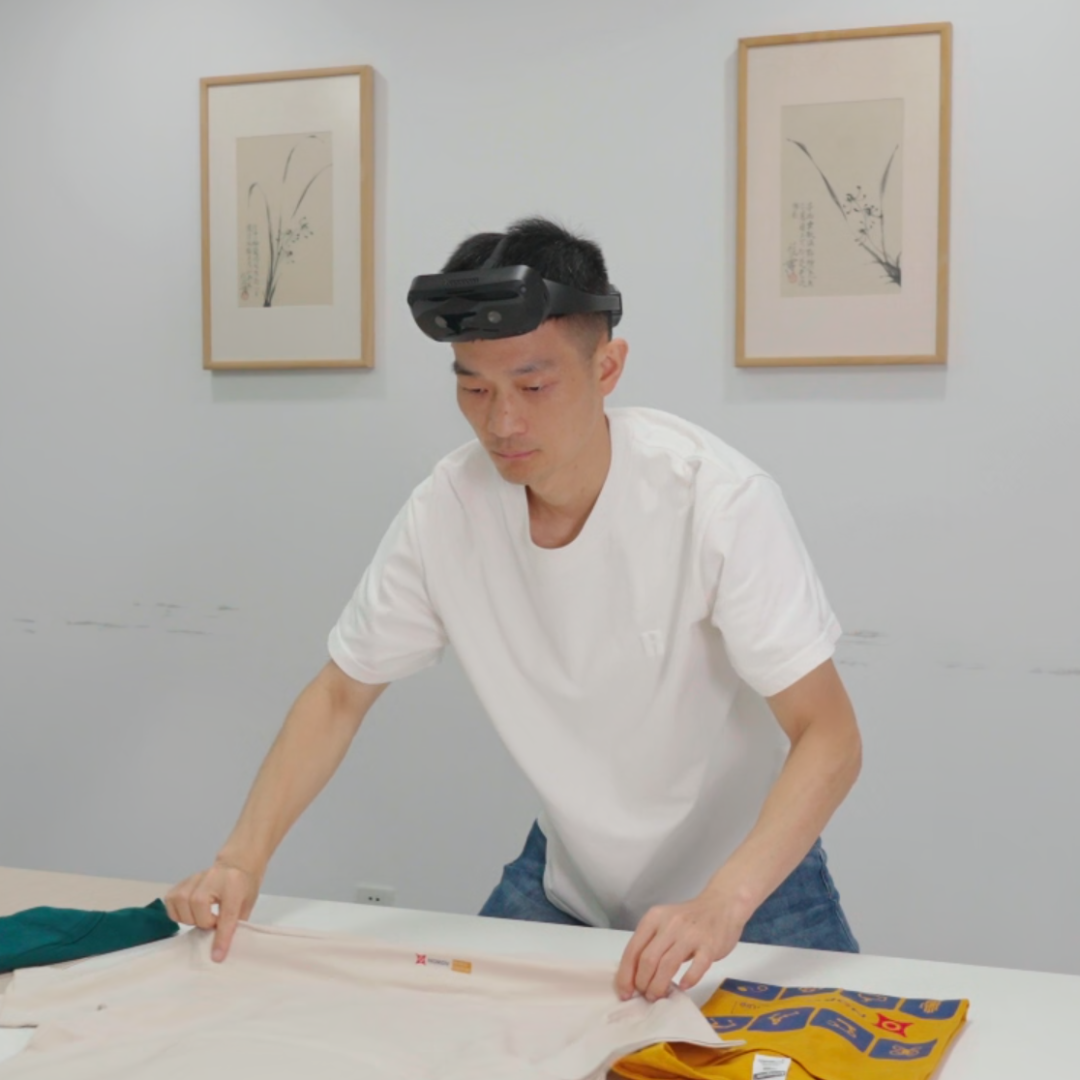
Recurring interference in this scenario
Objects too small, tangled wires, hand self-occlusion, and tabletop reflections. Any one of these can make synchronization appear normal while the content is unusable. For example, a hand blocks the target, reflections swallow edges, or the first and second halves of a long video are not the same task.
Long-horizon tasks should be segmented
Beading, accessory pinching, leather bag sewing, pipe-cleaner floral art, and greeting cards with string tying often span multiple containers and positions. If an entire segment is labeled with a single success, the model learns path noise. It is recommended to split episodes by sub-goal and retain reason codes for unfinished samples: occlusion, slip, wrong object found, authorization interrupted.
Frontier research must accept "negative samples"
Break fine manipulation into short episodes and retain failure samples, avoiding keeping only the "successful" segments. If negative samples involve faces or private spaces, they must be de-identified or deleted before use, and must not be ingested in violation of rules just to "increase data volume."
Compliance notice: This document provides scenario methodology and a comparison with public literature. It does not constitute a commitment regarding capture success rates, model performance, or delivery schedules. Equipment configurations, tradeable hours, pricing, and licensing scope are subject to the written order. The papers cited herein are third-party public works and do not constitute a claim of TOBI Technology achievements. Illustrations are sourced from TOBI Technology's public equipment materials.
