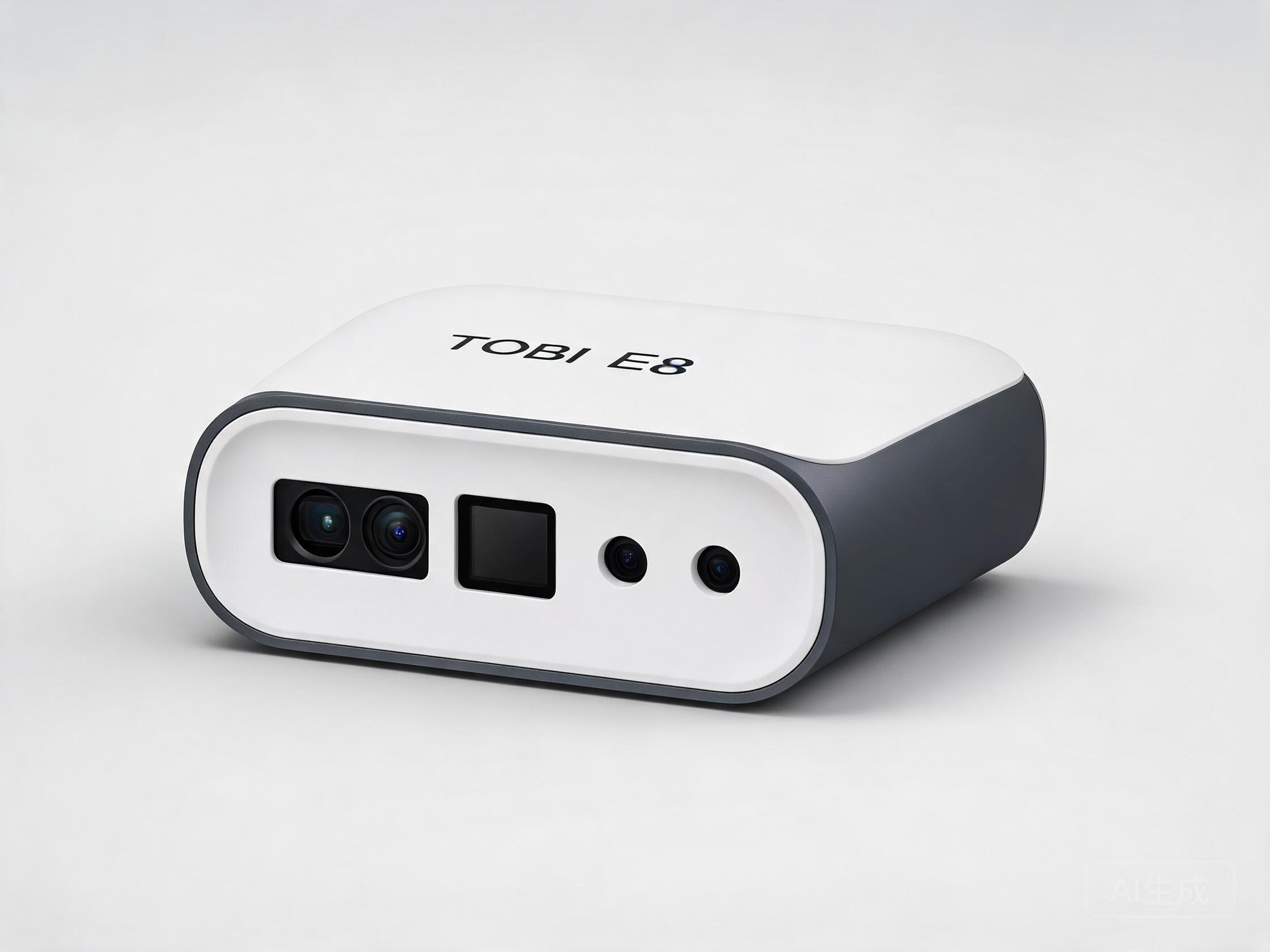
In the embodied AI discussions of 2026, world models have evolved from paper keywords into an engineering language shared by procurement and algorithm teams. They are no longer just impressive demos that predict the next video frame; instead, they require converging observable scene evolution, executable action priors, and auditable failure replay into a single data recipe. For vision-language-action teams, what truly sets teams apart is not model width, but whether the data can support the model in producing interpretable action distributions under unseen layouts, lighting, occlusions, and perturbations. The consensus TOBI has observed in its Ego capture and dataset trading practice is that world model training budgets are growing ever larger, yet there is ever less tolerance for black-box samples that are non-reproducible, non-sliceable, and non-attributable.
From a marketing-strategy perspective, world models redefine data-capture equipment as a predictive-capability supply chain. What buyers care about is no longer a camera list, but: can this batch of data support predictable-video pretraining? Do action labels come with temporal alignment and end-effector context? When a policy drifts on the real robot, can you replay the same trajectory and pinpoint whether the cause is perception noise, insufficient action priors, or ambiguity in the task definition itself? These questions push E2, E6, and E8 egocentric capture devices, along with wrist cameras and procureable high-quality egocentric and robot datasets, from the accessories catalog onto the strategic-asset list.
Predictable Video: What a World Model Is Really Consuming
Predictable video is not simply a stack of high-definition clips. From the chief scientist's perspective, the prediction target determines the sampling strategy: short-horizon prediction relies more on local geometry and contact moments, while long-horizon prediction relies more on scene steady state, object interaction, and operator intent cues. If data only records beautiful shots of successful demonstrations, the model will learn false certainty; if data lacks the complementarity of wrist close-ups and head-mounted views, contact moments will be compressed into blurry noise. In industrial settings, conveyor line cadence, bin stacking height, reflective metal parts, and translucent packaging bags all amplify prediction error. Therefore, the first principle of the world model data recipe is: the prediction target, time scale, and sensor field of view must be locked in before capture begins.
Algorithm engineers care more about frame-rate stability, exposure consistency, timestamp monotonicity, and frame-drop rate. A video that looks smooth, if its timeline jitter exceeds the acceptable range of the control loop, will split action priors and visual prediction into two mutually contradictory supervisions. TOBI emphasizes engineering predictability across multiple egocentric capture pipelines: the same task family uses reusable capture protocols; samples within the same batch retain device model, firmware, calibration, and synchronization logs; overexposure, motion blur, and severe occlusion receive machine-readable labels rather than relying on after-the-fact verbal explanations by humans. Only then does predictable video become a trainable asset rather than raw material.
Action Priors: From Trajectory Imitation to Transferable Motion Distributions
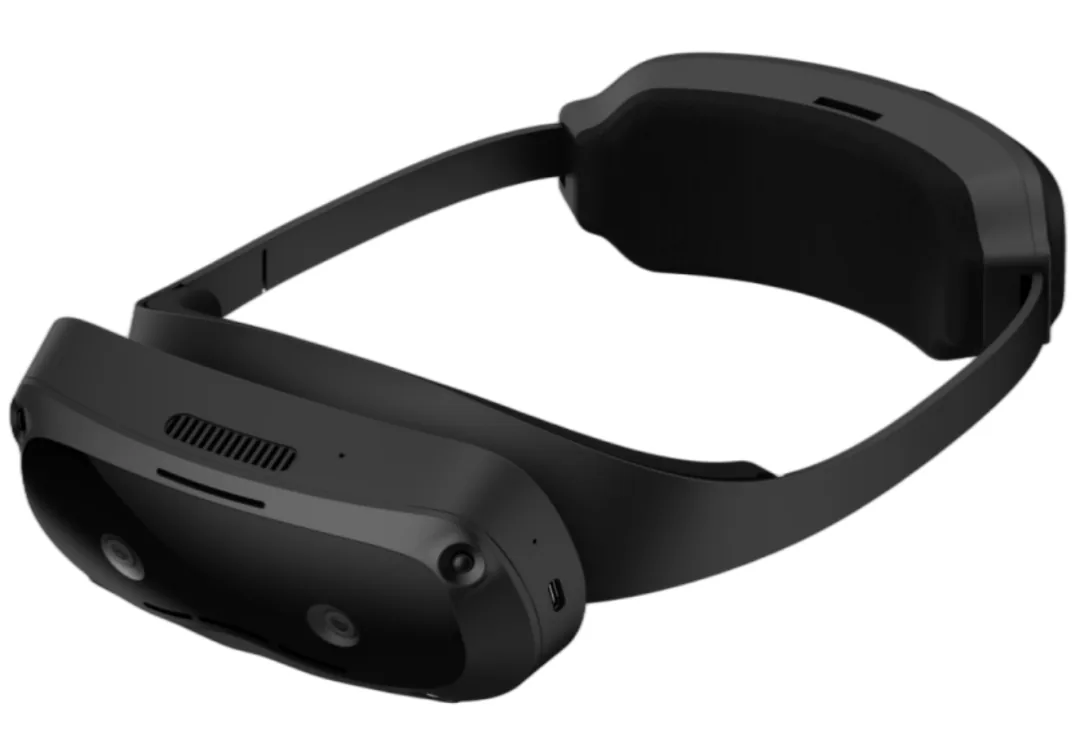
If a world model only predicts pixels without binding actions, it will ultimately stop at seeing without being able to do. Action priors need to answer: under the current observation, which action distributions are more likely to achieve the task, and which actions will push the scene toward irreversible failure. Human egocentric demonstrations provide natural action distributions, but they must be aligned with the robot's executable space. Wrist cameras fill the blind spots of head-mounted views on finger and gripper contact surfaces; inertial measurement and motion-capture pipelines supplement kinematic cues for the torso and arms; task-level language instructions elevate action priors from pure geometry to intent constraints. Procurement teams should write the presence of action channels and wrist close-ups into acceptance criteria, rather than comparing only hours.
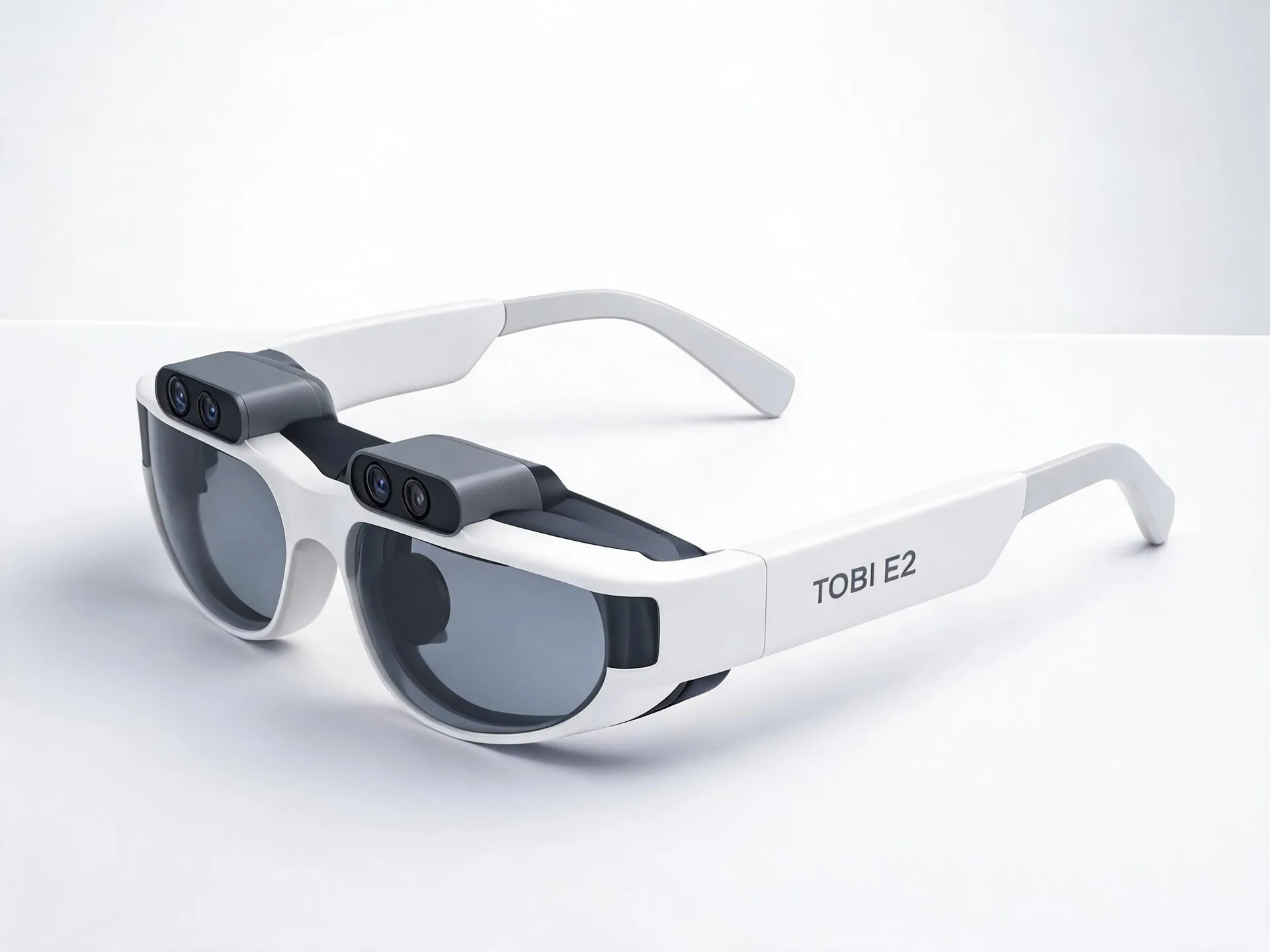
TOBI's product matrix places teams at different maturity levels under a common recipe language: E2 is suited to rapidly scaling up binocular egocentric capture and multi-site deployment; E6 targets R&D teams that need more complete evaluation and scenario validation; E8 plays a role in higher-integration operator-worn and motion-capture coordination scenarios. The wrist camera serves as a configurable link, directly supporting fine manipulation and contact-rich tasks. Purchasable datasets commoditize quality-checked egocentric and robot trajectories, allowing algorithm teams to validate world-model hypotheses without building a capture site from scratch.
Auditable Replay: Prediction Failures Must Be Traceable Through Slicing
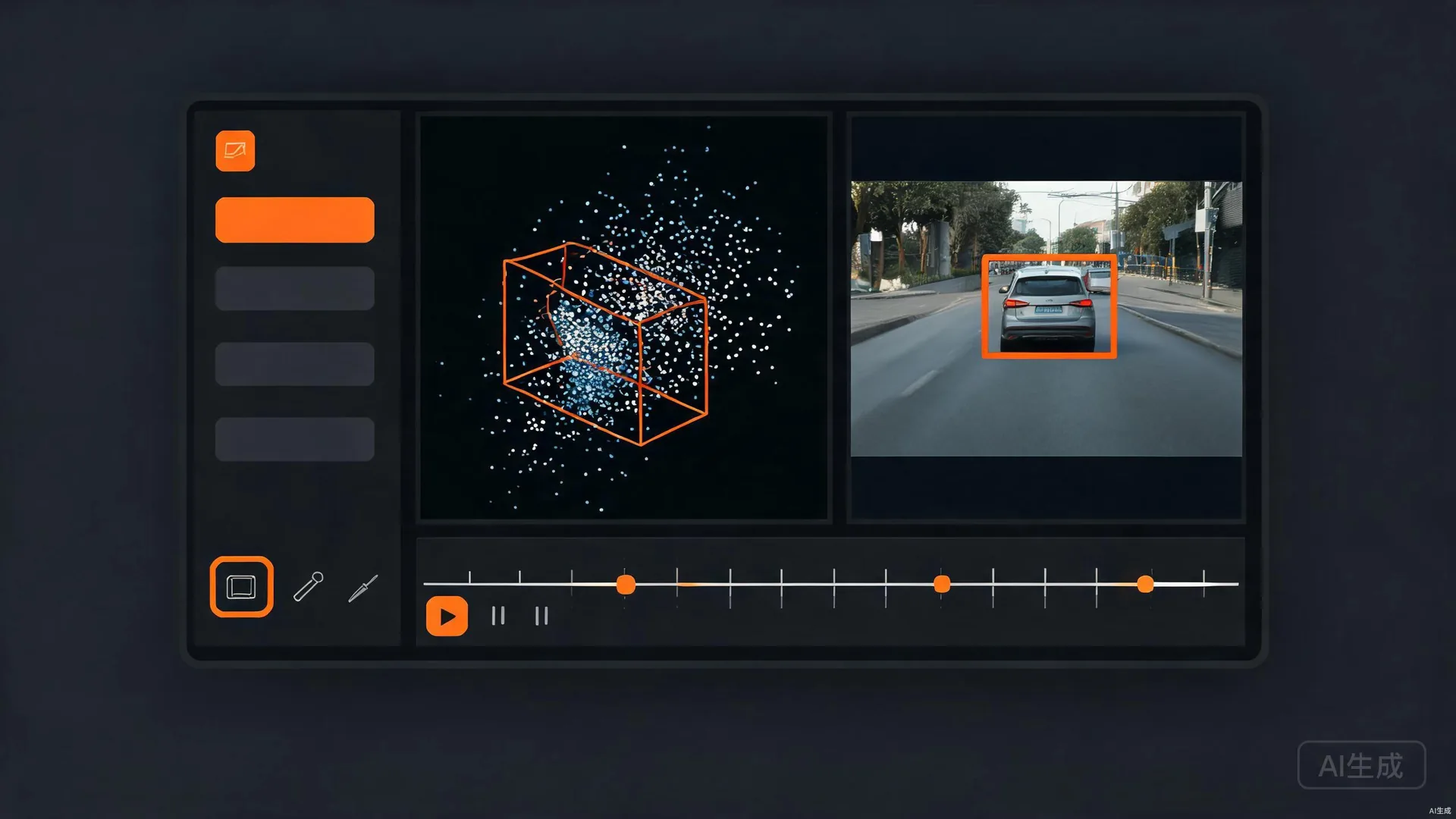
The watershed moment of the 2026 procurement paradigm is auditable replay. Once the world model goes live, business stakeholders will ask: why did the prediction go wrong with this bin layout? Is it a training distribution gap, synchronization drift, or did labeling misclassify a failed trajectory as a success? Auditable replay requires every sample to have: a unified timeline, a sensor channel inventory, task phase segmentation, success/failure/abort labels, keyframe keypoints, and an exportable replay index. Failed trajectories are not shameful samples; they are fuel for calibrating the world model's uncertainty.
The competitiveness of a world model ultimately comes down to whether you can replay, within three minutes, the ten seconds that led to a prediction collapse, and identify what kind of data should be added. — From the perspective of a chief scientist for embodied data
When algorithm engineers implement a replay system, the biggest fear is that it appears synchronized during recording but falls out of sync during training. If vision, wrist-mounted sensors, inertial measurement units, and motion capture each timestamp independently, the world model will learn temporal misalignment as false dynamics. The engineering reality is that synchronization accuracy, clock source, and packet-loss compensation strategy must be included in the dataset metadata. When TOBI delivers purchasable datasets, it treats replayability as a quality dimension on par with resolution.
Data recipes, evaluation, and delivery attachments
A qualified world-model data recipe should be readable like a process card: task families and difficulty gradients, target prediction horizon, field-of-view and wrist requirements, action channels, positive/negative sample ratios, randomization ranges, privacy boundaries, and delivery and playback toolchains. The evaluation protocol should freeze open-loop prediction, conditional action consistency, and limited-step real-robot playback, bound to a data version hash. Organizationally, the recipe card should align strategy, science, and engineering; in sampling, it should use curriculum-weighted and queryable negative sampling. Once procurement begins, the recipe card is condensed into a contract annex, with device selection and procurable supply clauses written in alongside, to avoid lineage discontinuity.
In 2026 project governance, data owners need to manage capture protocol versions the same way software versions are managed. Protocol changes must record the reason, affected channels, whether comparability with historical batches is broken, and whether the golden set needs to be re-captured. If the algorithm side detects a metric jump, it should first check the protocol version before suspecting the model architecture. TOBI Technology recommends writing the protocol version into the metadata of every sample, so that purchased packages and self-captured packages can coexist under the same governance framework. On the procurement side, the protocol version can be used as an acceptance field, rejecting deliveries with missing or conflicting versions. Device firmware and wrist-module firmware should also be included in the same version view to avoid implicit incompatibility.
Operator training is an often-underestimated quality lever. The same set of E2 or E6 devices, after standardized donning, task-card reading, failure retention, and post-shift spot-check training, often achieves a significantly higher usable-hour rate than untrained teams. Training content should include: how to identify wrist focus loss, how to handle segment marking after an emergency stop, and when to abort rather than force through. In customer on-site support, TOBI tends to deliver the training checklist first and pursue scale afterward, because scale amplifies habits, whether good or bad. For the E8's complex donning, cable management and inspection actions must be drilled to muscle memory, otherwise no amount of beautiful synchronization claims will hold up against production-line takt time.
For vision-language-action models, the alignment quality between the language channel and the action channel determines whether instruction following is transferable. During capture, it should be specified whether language is pre-scripted, real-time spoken commands, or post-hoc annotation — the three make different assumptions about noise and latency. Post-hoc annotation must not be passed off as synchronized commands. Purchasable datasets must disclose the language source. The chief scientist should use ablation studies to verify the true contribution of language supervision, avoiding mistaking visual shortcuts for language understanding. If marketing materials emphasize multimodality, they should also present the quality-control methods for language alignment, otherwise it is merely stacking adjectives.
Lighting management in factories and laboratories should be part of the recipe. Auto-exposure can produce unpredictable brightness jumps when moving quickly in and out of shadowed areas; fixed exposure may fail under extreme reflections. A practical approach is to lock the exposure curve per task segment and record it in the metadata. Wrist close-ups are more sensitive to local highlights, so quality inspection thresholds should be set separately. TOBI does not promote any single exposure strategy as a universal solution, but emphasizes that strategies must be bound to tasks, reproducible, and auditable. Both predictable video and motion priors benefit from this honest optical management.
Data security is not an appendix but part of the capture architecture. Local cache encryption, transmission permissions, de-identification workflows, and retention periods should all be determined at project kickoff. Ego footage may naturally capture employee badges and visitor faces, which must be handled per agreement. TOBI provides processing instruction templates in the trade appendix, but this does not replace the customer's compliance assessment, nor does TOBI fabricate external certifications. Honest disclosure of residual risk better meets 2026 buyer expectations than verbal guarantees of absolute security. Procurement legal and algorithm teams should jointly review the security appendix at the sample package stage.
For cross-team collaboration, we recommend establishing a weekly data meeting that reviews only three tables: available hours, failure type distribution, and synchronization and bad-clip trends. The meeting does not discuss model architecture unless the data tables show anomalies. This cadence prevents algorithm meetings from overtaking data governance. Complex wearable projects such as E8 especially need this, because there are more failure modes. Scalable procurement decisions should also be made at this meeting using the same tables, rather than through private orders that cause lineage confusion. The TOBI customer success path encourages archiving meeting minutes alongside data versions.
When a model fails on real hardware, the standard procedure is to replay and diagnose, not to immediately add data. Replay diagnosis can distinguish: unseen layouts, synchronization errors, labeling errors, insufficient motion priors, or control-layer issues. Only the first two and the fourth should trigger new capture or external purchase orders. TOBI views replay capability as a tool to reduce ineffective procurement, which does not conflict with lead conversion—effective orders are more sustainable than blind orders. Algorithm engineers should document replay conclusions as searchable work orders that procurement and capture scheduling can consume directly.
For multi-site deployment, calibration stations, charging and storage, and spare-unit rotation should be planned like production-line consumables. Device idling and ad-hoc borrowing cause firmware and calibration inconsistencies. At E2 scale, the asset management system should record each device's most recent calibration and QC status. Data packages should reject critical-task samples from devices with expired calibration, or down-weight them. These details determine whether Ego data can support world-model-level training, and whether auditable acceptance can be replicated across multiple factories.
Version management of annotation guidelines is as important as the capture protocol. After a guideline upgrade, whether historical labels need re-annotation and how compatibility is maintained must be clearly specified. A rising disagreement rate is often a signal of guideline ambiguity. Platform-based annotation can accumulate examples and arbitration records, making guideline iteration auditable. TOBI believes annotation is not a cheap downstream process but a key manufacturing step that turns raw capture into trainable supervision, and its budget should be visible separately. Purchasable data packages should include a guideline summary and disagreement rate so buyers can judge whether the annotation depth matches their model stage.
Teams should adopt written stop conditions: which evaluation thresholds allow pausing expanded capture, and which risks require halting capture for remediation. Capture without stop conditions becomes an infinite budget sink. Procurement contracts can also include phased stop and restart clauses. This makes TOBI's collaboration with clients more like jointly operating a supply system rather than a one-time material purchase. Thought leadership must ultimately land in these executable governance actions, and lead conversion is cleaner as a result—what is discussed is the system, not anxiety.
If your team is advancing world-model pretraining, predictable video recipes, or action-prior dataset construction, or if you wish to integrate egocentric capture, wrist cameras, and purchasable datasets into a single delivery loop, you are welcome to visit Products Learn about E2, E6, E8 capture devices and wrist camera configurations — see Solutions data acquisition, quality control, and delivery paths, or go directly to Inquire about robot dataset transactions, to discuss sample packs, licensing terms, acceptance metrics, and delivery service levels with TOBI.